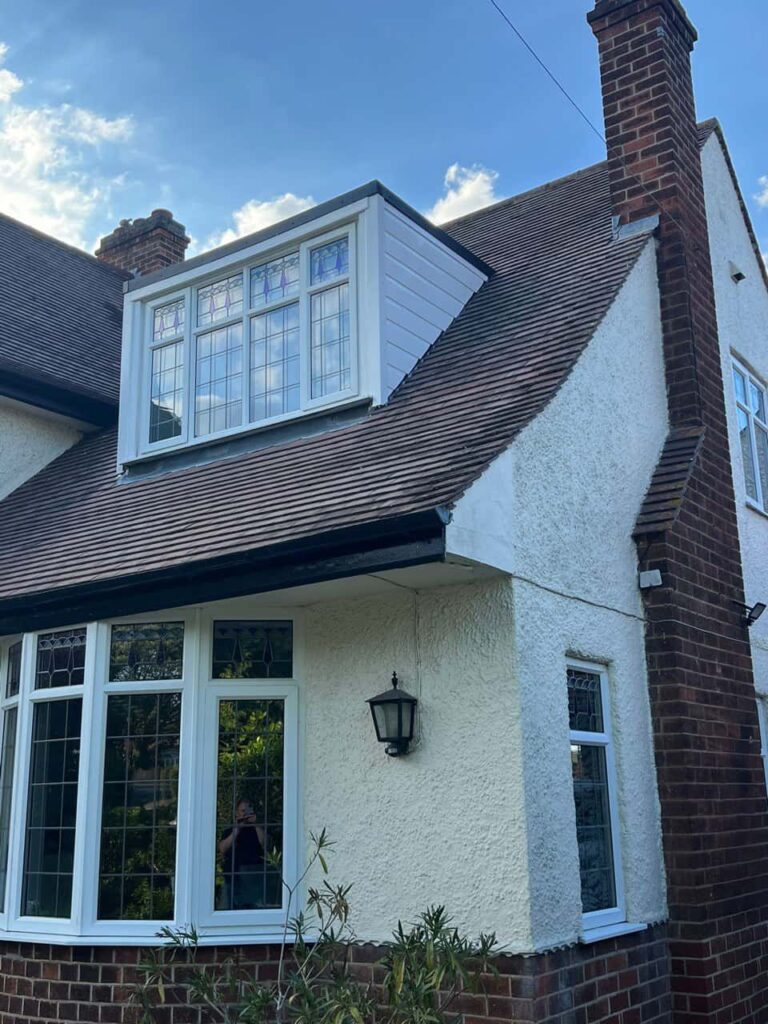
Lead flashing is an important part of many roofing systems, helping to create a watertight seal where different sections of a roof meet. It is commonly installed around chimneys, roof junctions, abutments and other areas where water could otherwise find a way beneath the roof covering. When lead flashing becomes cracked, loose or poorly secured, it can allow water to enter the roof structure.
For homeowners in Tipton, identifying damaged lead flashing early can help prevent minor roofing issues from developing into more extensive problems. Understanding the warning signs and knowing when professional repairs are appropriate can help protect the roof and the property beneath it.
What Is Lead Flashing?
Lead flashing is a sheet of lead fitted around vulnerable points on a roof. Its purpose is to direct rainwater away from joints and prevent water from penetrating beneath roof tiles or other roofing materials.
Because flashing is exposed to changing weather conditions, it can eventually develop defects. Movement in the roof structure, ageing materials, poor installation and repeated exposure to rain and temperature changes can all contribute to deterioration.
Why Damaged Flashing Can Cause Roof Leaks
Flashing acts as a protective barrier at some of the most vulnerable areas of a roof. If that barrier becomes damaged, water can enter through small gaps or openings.
A leak does not always appear directly beneath the damaged flashing. Water can travel along roofing materials or inside the roof structure before becoming visible as a damp patch or water stain indoors. This means a seemingly small flashing defect can sometimes result in more noticeable problems elsewhere.
Common Signs of Damaged Lead Flashing
There are several signs that may indicate lead flashing requires attention. These include:
- Cracks, splits or holes in the lead
- Flashing that has become loose or lifted
- Visible gaps around chimneys or roof junctions
- Sections of flashing that appear distorted or displaced
- Damp patches on ceilings or upper walls
- Water staining around chimney areas
- Recurring leaks after rainfall
Some problems may be easier to spot from ground level, but a proper assessment generally requires the affected roof area to be inspected safely.
What Causes Lead Flashing to Deteriorate?
Lead is a durable roofing material, but it is not immune to damage. Repeated expansion and contraction caused by temperature changes can place stress on the material. Over time, this may contribute to splits or fatigue.
Flashing can also become displaced if surrounding masonry or roofing materials move. Poorly fitted sections, inadequate fixing or previous repairs that have deteriorated may create additional points where water can enter.
Regular roof inspections can help identify these issues before they become more disruptive.
Lead Flashing Around Chimneys
Chimney areas are particularly dependent on effective flashing because they create a junction between the roof and a vertical structure. Lead flashing is commonly used to seal this junction and guide rainwater away from the roof.
If flashing around a chimney becomes loose, cracked or separated from the surrounding materials, rainwater may enter behind the flashing. This can eventually result in dampness within the loft or upper parts of the property.
Can Damaged Flashing Be Repaired?
The appropriate repair depends on the condition and extent of the damage. Minor defects may sometimes be addressed by repairing or securing the affected section, while more extensive deterioration may require replacement of part or all of the flashing.
A professional inspection can establish whether the existing lead can be repaired effectively or whether replacement would provide a more suitable solution. The surrounding roof materials should also be checked to make sure the source of the leak has been correctly identified.
Why Professional Inspection Matters
Roof leaks can have several possible causes, and water appearing inside a property does not necessarily mean that the visible area is where the problem began.
A professional roofer can inspect the flashing, surrounding tiles, roof junctions and other relevant areas to identify potential entry points. This helps ensure that repairs address the underlying problem rather than simply treating the visible signs of water damage.
How to Reduce the Risk of Flashing Problems
Homeowners can help protect their roof by keeping an eye out for visible changes and arranging professional inspections when concerns arise. It is particularly important to investigate recurring damp patches, staining or leaks rather than allowing them to continue unnoticed.
Keeping gutters and roof drainage areas clear can also help reduce unnecessary water exposure around vulnerable roof junctions.
Lead Flashing Repairs in Tipton
If you have noticed damaged flashing, dampness or signs of a roof leak, addressing the problem promptly can help prevent further deterioration. Tipton Roofing Repairs provides professional roofing inspections and lead flashing repair services in Tipton, with attention given to the condition of the flashing and the surrounding roof area.
A careful assessment can help determine the cause of the problem and identify the most appropriate repair.
Conclusion
Lead flashing plays an important role in keeping vulnerable roof junctions watertight. Cracks, movement, gaps and deterioration can create routes for rainwater to enter the roof, potentially leading to dampness and further damage if left unresolved.
If you suspect that damaged lead flashing is contributing to a roof leak at your Tipton property, contact Tipton Roofing Repairs to arrange a professional inspection and discuss the appropriate repair for your roof.
Call us on: 0121 312 1395
Click here to find out more about Tipton Roofing Repairs
Click here to complete our contact form and see how we can help with your roofing needs.