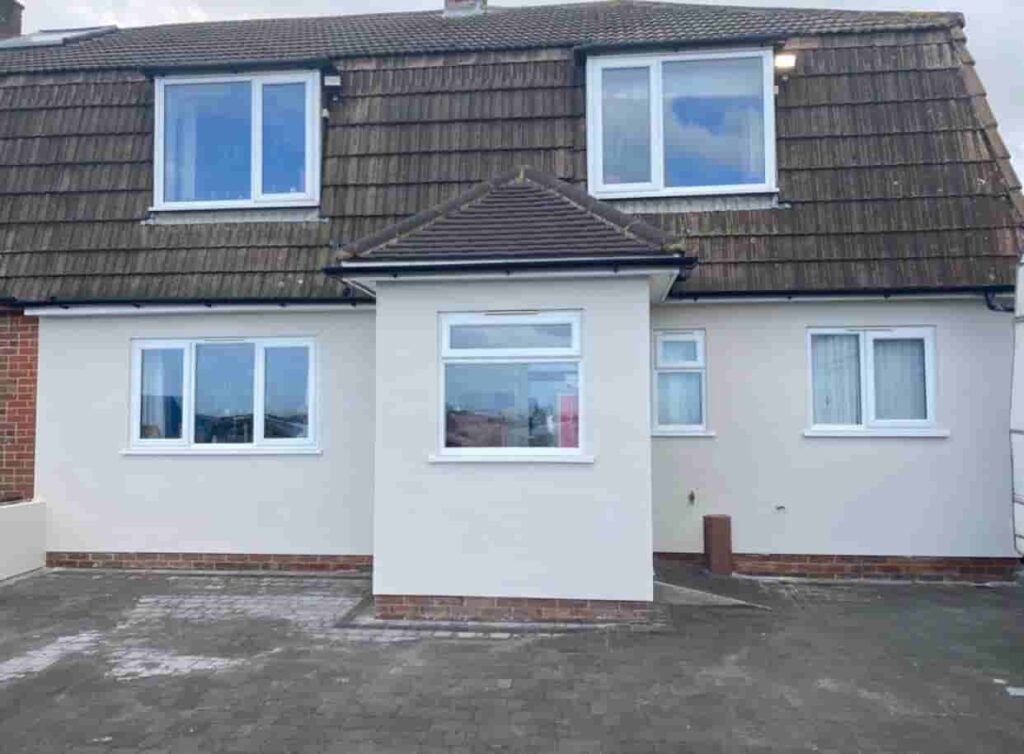
A roof leak can quickly become a serious issue if not addressed promptly. For homeowners in Tipton, West Midlands, identifying the source of a leak early is essential to preventing further damage and ensuring your roof remains in good condition. While some signs are obvious, others can be more difficult to trace, as water often travels before becoming visible inside the property.
At Tipton Roofing Repairs, we understand the importance of accurate diagnosis. Locating the true source of a leak is the first step towards an effective and lasting repair. Below are five practical steps to help identify where the problem may be originating.
1. Look for Internal Signs of Water Ingress
The first indication of a roof leak is often found inside the property. Common signs include:
- Damp patches on ceilings or walls
- Discolouration or staining
- Peeling paint or plaster
- Dripping water during or after rainfall
It is important to note that the visible sign is not always directly below the source of the leak. Water can travel along beams or surfaces before becoming noticeable, so further investigation is usually required.
2. Check the Loft or Roof Space
If your property has accessible loft space, this can provide valuable insight into the location of a leak. Look for:
- Damp insulation or timbers
- Water staining on rafters
- Signs of mould or condensation
Inspecting the roof from inside allows you to trace the path of water more accurately. In many cases, you can identify the general area where the leak is entering.
3. Inspect the Roof Covering
Once you have an idea of the affected area, the next step is to assess the external roof covering. This should be done carefully and, where necessary, by professionals.
Key issues to look for include:
- Missing, cracked or slipped tiles
- Damaged or worn flashing around chimneys or roof features
- Debris build-up that may be obstructing water flow
In Tipton, changing weather conditions can contribute to wear and tear, making regular checks particularly important.
4. Examine Roofline Components
Leaks are not always caused by the main roof covering. Roofline elements such as gutters, fascias and soffits can also be responsible.
Blocked or damaged gutters can cause water to overflow and seep into the structure. Similarly, faults in fascias or soffits can allow moisture to enter at the edges of the roof.
Ensuring that these components are in good condition is an important part of identifying and resolving leaks.
5. Consider Recent Weather or Changes
Reflecting on recent conditions can provide useful clues. Heavy rainfall, strong winds or storms may have caused damage that has led to a leak.
Additionally, if any recent work has been carried out on the roof, it is worth considering whether this could have affected its integrity.
Understanding when the issue began can help narrow down the cause and guide the repair process.
The Importance of Professional Assessment
While these steps can help identify potential sources of a leak, accurate diagnosis often requires professional expertise. Roofing systems are complex, and addressing the wrong issue can lead to further problems.
At Tipton Roofing Repairs, we carry out thorough inspections across Tipton, West Midlands, ensuring that the true source of any leak is identified and resolved effectively. Our approach focuses on long-term solutions rather than temporary fixes.
Conclusion
Identifying the source of a roof leak involves careful observation and a structured approach. From spotting internal signs and inspecting the loft to checking external materials and roofline components, each step plays a role in locating the problem.
For homeowners in Tipton, West Midlands, acting quickly and seeking professional support can prevent minor issues from developing into more significant damage.
If you have noticed signs of a roof leak or would like a professional inspection, Tipton Roofing Repairs is here to help. Contact our team to ensure your roof is properly assessed and restored to full working condition.
Call us on: 0121 312 1395
Click here to find out more about Tipton Roofing Repairs
Click here to complete our contact form and see how we can help with your roofing needs.